







A history and culture chapter provides historical and cultural context for the study of Canadian literature.
[ubc-product-multiple label=”Add All History & Culture Chapters” ids=51425,51421,51417,51415,51411,51406,51399,51397,51396,51393,51390,51392,51389,53873,53872,53843,53842,53279,53278,53064,52943]
 [ubc-product show_id=false show_thumbnail=false show_price=false show_excerpt=false]
Written by CanLit Guides' Editorial Team
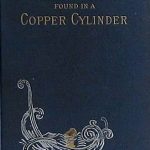
Published posthumously in 1888, James De Mille’s A Strange Manuscript Found in a Copper Cylinder tells a satiric story of a lost utopia through a frame narrative and an internal tale ostensibly found in a bottle floating at sea. The questions in this case study guide students through the frame narrative structure, as well as the use of irony and problematic depictions of utopia.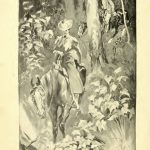 [ubc-product show_id=false show_thumbnail=false show_price=false show_excerpt=false]
Written by Tiffany Johnstone
In 1900, young American suffragist Grace Gallatin Seton-Thompson published her first book, an account of her extended 1897 camping trip in western regions of the United States and Canada. This chapter contextualizes A Woman Tenderfoot within Canadian literature and within the genre of travel writing that was so popular at the time. It then suggests several theoretical approaches for reading A Woman Tenderfoot more closely.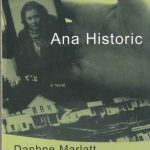 [ubc-product show_id=false show_thumbnail=false show_price=false show_excerpt=false]
Written by CanLit Guides' Editorial Team
Influenced by both avant-garde poetry and Virginia Woolf’s stream of consciousness narrative mode, Daphne Marlatt’s Ana Historic follows the mind of the narrator, Annie, at work. While researching the history of Mrs. Richards, a mysterious woman who appears in the civic archives of Vancouver in 1873, Annie’s mind jumps from her research to her personal struggle with her mother’s suicide, intermingling the three women’s stories on the page. The layout and typography change as perspective shifts, offering a collage of the women’s lives, serving as analogues to one another. [ubc-product show_id=false show_thumbnail=false show_price=false show_excerpt=false]
Written by CanLit Guides' Editorial Team
Shyam Selvadurai’s novel Funny Boy presents the coming of age of Arjie, a young, gay, Tamil boy in Sri Lanka. Set against the backdrop of Sri Lankan social and cultural politics of the 1980s, the novel explores the barriers around love, marriage, gender expectations, and cultural tensions, specifically in the Sinhala and Tamil populations. The tension and change in Sri Lanka during the 1980s leading up to the events of Black July parallel the development of Arjie’s own tumultuous realization of his homosexual identity. [ubc-product show_id=false show_thumbnail=false show_price=false show_excerpt=false]
Written by CanLit Guides' Editorial Team
Ann-Marie MacDonald’s widely produced play, and winner of the 1990 Governor General’s Award for Drama, presents Constance Ledbelly, an academic who is sucked into and disrupts the story-worlds of two Shakespearean plays, Othello and Romeo and Juliet.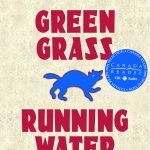 [ubc-product show_id=false show_thumbnail=false show_price=false show_excerpt=false]
Written by CanLit Guides' Editorial Team
Thomas King’s storytelling, publications, and talks play a significant role in developing Indigenous literatures in Canada and the United States. Green Grass, Running Water, a finalist for the 1993 Governor General’s Award, remains one of his most popular works. [ubc-product show_id=false show_thumbnail=false show_price=false show_excerpt=false]
Written by CanLit Guides' Editorial Team
Haisla/Heiltsuk writer Eden Robinson’s first book, a collection of stories called Traplines, was published to critical acclaim in 1996. Robinson then adapted one story from the collection, Queen of the North, into her debut novel, Monkey Beach, which was shortlisted for the 2000 Governor General’s Award and the Giller Prize, and won the Ethel Wilson Fiction Prize.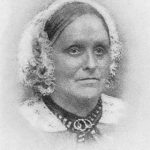 [ubc-product show_id=false show_thumbnail=false show_price=false show_excerpt=false]
Written by CanLit Guides' Editorial Team
This popular account of emigration from England and settlement in Upper Canada has become a classic in the history of Canadian literature. First published in 1852, Roughing It in the Bush describes Susanna Moodie’s impressions of the people, places, and processes of settlement in the first seven years after she arrived in Upper Canada in 1832. [ubc-product show_id=false show_thumbnail=false show_price=false show_excerpt=false]
Written by CanLit Guides' Editorial Team
Considered one of Wilson’s most accomplished works, Swamp Angelfollows Maggie Vardoe (later Lloyd) as she flees her husband in Vancouver to help run a fishing lodge in the interior of British Columbia. The novel illustrates the tension between her personal autonomy as a woman, and the needs and perceptions of a largely heteronormative community. Through the transformations of the main character, we can observe a process of attaining personal agency and self-actualization in the midst of societal constraints. [ubc-product show_id=false show_thumbnail=false show_price=false show_excerpt=false]
Written by CanLit Guides' Editorial Team
Wayson Choy’s novel follows a Chinese Canadian family in Vancouver around the time of World War II, through the eyes of the three youngest children. The story draws on the history of Chinese labourers on the railway, the perpetual navigations of and tensions caused by cultural difference, perceptions of Japanese Canadians, and other national and cultural identifications dominant at the time. [ubc-product show_id=false show_thumbnail=false show_price=false show_excerpt=false]
Written by CanLit Guides' Editorial Team
The Rez Sisters launched Highway’s career as a notable and influential playwright in Canada, and earned him a Dora Mavor Moore Award in 1987. The play was initially performed only in Indigenous communities, but then moved to major stages across the country.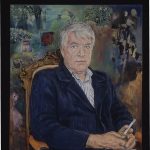 [ubc-product show_id=false show_thumbnail=false show_price=false show_excerpt=false]
Written by CanLit Guides' Editorial Team
The Wars, which won the Governor General’s Award for Fiction in 1977, is an example of what influential Canadian literature critic and theorist Linda Hutcheon terms historiographic metafiction. [ubc-product show_id=false show_thumbnail=false show_price=false show_excerpt=false]
Written by CanLit Guides' Editorial Team
Dionne Brand’s 2005 novel What We All Long For explores the experiences of a small group of friends in Toronto and their troubled family histories, in particular touching on how processes and forces of global travel, nationalism, culture, racialization, and economic disparities inform their identities. This set of stories interweave with the story of one lost family member, Quy, who struggles to rejoin his family through an international maze of barriers. [ubc-product show_id=false show_thumbnail=false show_price=false show_excerpt=false]
Written by CanLit Guides' Editorial Team
This guide draws attention to the centrality of gender and sexuality in the discussion of Canadian literature and culture, and to the kinds of criticism done within the journalCanadian Literature. Understanding how gender and sexuality are constructed is a central scholarly concern in understanding Canada’s national and literary imagination. To see this, we can begin by considering early propaganda images that constructed Canada’s West as an idealized and harmonious community awaiting settlers. [ubc-product show_id=false show_thumbnail=false show_price=false show_excerpt=false]
Written by CanLit Guides' Editorial Team
In Canadian Literature’s groundbreaking 1990 special issue, Native Writers & Canadian Writing, W. H. New argues in his editorial that “Power declares; it doesn’t readily listen” (4). At the time,Canadian Literature still represented the power of the Canadian literary establishment, but for this issue the journal attempted to critically listen and engage with Indigenous writers, rather than speak over them. By implication, this shift also means the journal asked its readership to become willing listeners about Indigenous literature, in all its contradictions and complications. [ubc-product show_id=false show_thumbnail=false show_price=false show_excerpt=false]
Written by CanLit Guides' Editorial Team
Studies of literary prizes (Roberts), the economics of literature (English), and the hidden labour of reading for pleasure (Shukin) are expanding the fields of literary studies. These scholars are among many academics that are rethinking the study of literature in a media-driven age. [ubc-product show_id=false show_thumbnail=false show_price=false show_excerpt=false]
Written by Nadine Fladd
This chapter introduces the short story as a literary genre, and discusses the short story cycle as a particularly important genre in Canada. It offers some suggestions for analyzing short stories from print culture and feminist perspectives, and it turns to Alice Munro’s 1978 short story cycle Who Do You Think You Are? as a case study in putting these perspectives to work. [ubc-product show_id=false show_thumbnail=false show_price=false show_excerpt=false]
Written by CanLit Guides' Editorial Team
Canada Reads is a CBC Radio program that was launched in English in 2002 and in 2004 in French as Le Combat des livres. Over the course of a week in five one-hour segments, five celebrity judges champion a book and engage in debate about which one Canadians should read. Each day a book is voted off the list until only one is left standing. The format of the program is often compared to reality TV shows such as Survivor. The show playfully foregrounds conflict in its branding, using taglines such as “battle of the books” or “literary title fight” (CBC). That said, the champion book carries a lot of cultural cachet and the show has had enormous impact on the development of a popular Canadian reading public. [ubc-product show_id=false show_thumbnail=false show_price=false show_excerpt=false]
Written by Gillian Roberts
This chapter introduces Canadian literature’s relationship to the field of Canada-US Border Studies. In what we might call Canadian “border texts,” the border features prominently, if variably. The Canadian nation is a contested space, a site of struggle over political and cultural values between groups with diverging interests. Canadian border texts reveal the border as a site of struggle, too, figuring differently from different people’s perspectives. In analyzing these literary texts, we see that at times—for some people—the border appears porous and permeable, and at other times—for other people—impenetrable. [ubc-product show_id=false show_thumbnail=false show_price=false show_excerpt=false]
Written by CanLit Guides' Editorial Team
Academic articles are scholarly conversations. They often reference and speak to each other and allow scholars to acknowledge, criticize, engage, learn from, disagree with, and add to each other’s ideas. This conversation happens between peers with a shared language, knowledge base, and training. [ubc-product show_id=false show_thumbnail=false show_price=false show_excerpt=false]
Written by CanLit Guides' Editorial Team
Think of close reading as similar to a criminal investigation in which we, as readers, move slowly through the language and forms of the text, working through suggested connotations, subtle connections, and implications of terms and images. Our goal is to unravel the subtle riches of expression, to solve (or glimpse) the mystery. [ubc-product show_id=false show_thumbnail=false show_price=false show_excerpt=false]
Written by CanLit Guides' Editorial Team
The goal of a close reading is to produce a convincing and thorough interpretation of a text. Even straightforward prose can contain a trove of literary devices and strategies to either guide the reader toward meaning or obfuscate meaning altogether. While close reading, it is not only important to understand what authors are saying, but also, how they are saying it. [ubc-product show_id=false show_thumbnail=false show_price=false show_excerpt=false]
Written by Brenna Clarke Gray
Some of the most significant names in Canadian literature—people like author Margaret Atwood and poet bpNichol—have throughout their careers played with comics as part of their larger body of work. Literary scholars have often paid attention when “serious” writers engage in comics, such as Carl Peters in his collection bpNichol Comics, or Reingard M. Nischik’s attention to Atwood’s comics in her Engendering Genre. But how do we analyze comics produced in Canada by comics creators? We now see comics appearing more frequently in college and university courses, including in Canadian literature classes. Yet the history, scholarship, and language of literary study do not always neatly transpose onto the world of comics. This chapter is designed to introduce new comics readers to the history of creating and evaluating comics in Canada and to the practice of reading them as scholars.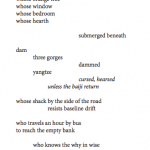 [ubc-product show_id=false show_thumbnail=false show_price=false show_excerpt=false]
Written by CanLit Guides' Editorial Team
The following poems, previously published in Canadian Literature, use a variety of strategies to defamiliarize and reconceptualize their subject. These strategies include novel combinations of images, linguistic disruptions, and more. [ubc-product show_id=false show_thumbnail=false show_price=false show_excerpt=false]
Written by L. Camille van der Marel
When traced to its Greek roots, the term “diaspora” means to scatter about, to disperse. Imagine dandelion seeds on the wind: this image is often used to introduce students to the concept of diaspora. Indeed, dandelion seeds are a common symbol for departments, journals (including Canadian Literature), book series, and conferences that specialize in or incorporate diaspora studies. Analyzing the image of dandelion seeds on the wind is a good way to begin thinking about the complexities and nuances that inform readings of diasporic literature. [ubc-product show_id=false show_thumbnail=false show_price=false show_excerpt=false]
Written by Carl Watts
Dionne Brand’s No Language Is Neutral (1990) is a set of poems that can be understood as a meditation on migration. The book addresses the theme of movement from one location to another as it describes a journey from the Caribbean to Canada. In doing so, it outlines (and asks questions about) a conception of identity that is influenced by movement, dislocation, and variability. The following sections of this chapter summarize some scholarly debates that have taken place around No Language Is Neutral and outline some strategies for interpreting how Brand treats the experience of migration and related topics. [ubc-product show_id=false show_thumbnail=false show_price=false show_excerpt=false]
Written by Sarah Banting
When your instructors guide class discussion toward particular topics, or set assignment questions that encourage you to think about particular issues, they are implicitly teaching you what is of current interest in this field. As they guide your reading and thinking, they are inviting you to join the scholarly community in its ongoing conversation about pressing topics in Canadian literature studies. This chapter similarly invites you to further understand and participate in this scholarly community by highlighting some of the most frequently recurring and characteristic motivations that inspire professional scholars to make their arguments in this field. It explores how these motivations shape the development of articles in the field. And it will invite you to consider adopting these motivations in your own essays, or to see how you may have already started adopting them—perhaps even without realizing it. [ubc-product show_id=false show_thumbnail=false show_price=false show_excerpt=false]
Written by Shannon Smyrl
Douglas Coupland’s 2009 novel Generation A exposes and probes core cultural anxieties related to isolation, mass commercialism, and environmental destruction—threats that feel imminent in our current digital world. As you study Generation A, look beyond this surface to consider how the thriller narrative is linked to the novel's larger concern with storytelling. Because, ultimately, the novel is a story about storytelling, structured as five interconnected narratives, each with embedded “campfire” stories the characters tell each other. In the end, the characters’ sharing of stories is integral to the novel’s outcome.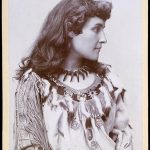 [ubc-product show_id=false show_thumbnail=false show_price=false show_excerpt=false]
Written by CanLit Guides' Editorial Team
E. Pauline Johnson (Tekahionwake; 1861–1913) was a popular poet, critic, and performer. In this chapter, we address a small sampling of her wide range of poems and prose. The life and career of Pauline Johnson has been the subject of renewed academic attention since the 1960s, in particular with the growing interest in feminism, Indigeneity, and diversity.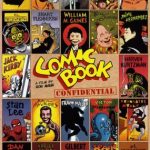 [ubc-product show_id=false show_thumbnail=false show_price=false show_excerpt=false]
Written by CanLit Guides' Editorial Team
Comics include a range of forms and genres, including the popular graphic novel, and go by a variety of names like cartoons, comix, the funnies, graphica, graphic literature, sequential art, and visual literature. Comics has remained the most popularly accepted general term, with the recognition that comics aren’t always funny.
 ©